PIA Privatization 2025: Complete Story of Pakistan's Aviation Giant Sale

Moqadim Joiya
January 3, 2026
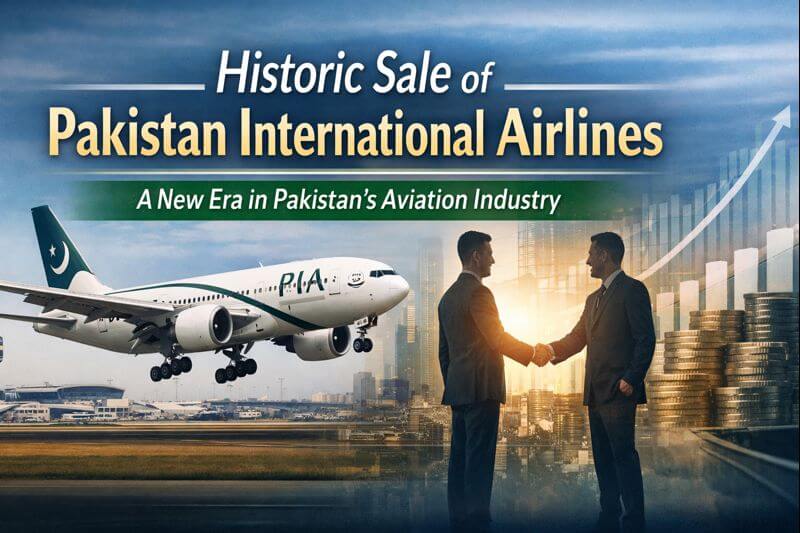
PIA Privatization 2025: Complete Story of Pakistan's Aviation Giant Sale
Article Summary: Comprehensive deep-dive into the Pakistan International Airlines (PIA) privatization saga of 2024-2025, examining the complete journey from PIA's prestigious origins as one of Asia's finest airlines to its catastrophic decline into a loss-making entity with Rs 830 billion in liabilities. Analyzing the controversial bidding process that saw only one serious bidderthe Blue World City consortiumoffering Rs 10 billion for 60% stake (far below government's Rs 85 billion minimum), the political firestorm, employee protests, legal challenges, international implications for Pakistan's aviation sector, historical context of state-owned enterprise failures, and critical analysis of whether privatization will resurrect this fallen giant or mark the end of Pakistan's national carrier legacy.
In the complex narrative of Pakistan's economic struggles, few stories are as emotionally charged and economically significant as the fall and sale of Pakistan International Airlines. Once the pride of the nationan airline so advanced it helped launch Singapore Airlines and provided technical assistance to airlines across AsiaPIA's transformation into a financial black hole symbolizes decades of mismanagement, political interference, and institutional decay. The 2024-2025 privatization, which saw Pakistan's national carrier sold for a fraction of its expected value to a real estate consortium amid employee tears and public outcry, represents more than just a business transaction. It's a reckoning with failed governance, a test of economic reform resolve, and a pivotal moment that will define Pakistan's relationship with its state-owned enterprises. With Rs 830 billion in losses, 7,000 employees facing uncertain futures, and a proud aviation legacy hanging in the balance, the PIA privatization story reveals uncomfortable truths about how nations manageor mismanagetheir most valuable assets.
Table of Contents:
- Executive Summary
- What is PIA? Historical Overview
- The Golden Era: 1955-1980
- Decline Begins: 1980-2000
- Catastrophic Collapse: 2000-2024
- Financial Crisis: The Numbers
- Why Privatization Became Inevitable
- The Privatization Process: 2024
- Blue World City: The Winning Bidder
- The Controversial Rs 10 Billion Bid
- Employee Reactions and Protests
- Political Implications
- Legal Challenges and Court Cases
- International Reactions
- Comparison with Global Airline Privatizations
- What Happens to PIA Employees?
- Impact on Pakistan's Aviation Sector
- Economic Implications for Pakistan
- IMF Conditions and Pressure
- Future of PIA Under Private Ownership
- Other Pakistani SOE Privatizations
- Public Opinion and National Sentiment
- January 2025: Current Status
- Expert Analysis and Predictions
- Lessons for Pakistan's Economy
- FAQ
- Timeline of Key Events
Executive Summary
Pakistan International Airlines (PIA) Privatization: Key Facts at a Glance
The Sale:
- Date: October 31, 2024 (bidding), finalization ongoing as of January 2025
- Buyer: Blue World City consortium (real estate company)
- Sale Price: Rs 10 billion (approximately $36 million USD)
- Stake Sold: 60% controlling stake to private bidder
- Government Retention: 40% stake retained by Government of Pakistan
- Expected Price: Rs 85 billion (government's minimum expectation)
- Actual Price: Rs 10 billion (88% below expectation)
- Price Gap: Rs 75 billion shortfall from government target
PIA's Financial Reality:
- Total Liabilities: Rs 830 billion (~$3 billion USD)
- Annual Losses: Rs 70-100 billion per year
- Debt to Government: Rs 623 billion
- Employees: Approximately 7,000
- Aircraft Fleet: 31 aircraft (many grounded or old)
- Market Value: Negative equity (liabilities exceed assets)
- Last Profitable Year: 1990s
Why It Matters:
- Largest privatization in Pakistan's recent history
- Test case for broader SOE (State-Owned Enterprise) reforms
- IMF loan condition for Pakistan's $7 billion bailout
- Affects 7,000 direct employees and families
- Symbolic loss of national pride and heritage
- Critical for Pakistan's economic credibility
- Sets precedent for future privatizations
Controversy Level:
- Political opposition fierce
- Employee unions threatening strikes
- Public sentiment largely negative
- Legal challenges filed in courts
- International aviation community watching
- Questions about transparency and process
What is PIA? Historical Overview
Foundation and Original Vision
Birth of a National Carrier:
Pakistan International Airlines was established in 1946 (initially as Orient Airways, reorganized as PIA in 1955):
Founding Context:
- Pakistan gained independence in 1947
- Need for national connectivity in geographically divided nation (East and West Pakistan)
- Symbol of modern, progressive Pakistan
- Connecting diverse regions and international routes
- Aviation as marker of national prestige
- Government priority for infrastructure development
Early Leadership:
- Visionary management
- International aviation experts hired
- Collaboration with Pan Am and other global airlines
- Focus on safety and service excellence
- Investment in training and infrastructure
- Nation-building mission mentality
Original Mission:
- Connect East and West Pakistan (1,000 miles apart)
- International routes to strengthen trade
- Facilitate Hajj pilgrimage for Muslims
- Demonstrate Pakistan's modernity
- Compete with international carriers
- Economic catalyst for tourism and trade
Organizational Structure
Government Ownership:
- Fully owned by Government of Pakistan initially
- Operated as autonomous corporation
- Board of directors appointed by government
- Ministry of Aviation oversight
- Protected monopoly on domestic routes
- Preferential treatment for international slots
Fleet Development:
- Started with propeller aircraft
- Graduated to jets in 1960s
- Boeing 720s in early jet age
- Continuous fleet modernization (initially)
- Maintenance facilities in-house
- Pilot training programs established
The Golden Era: 1955-1980
PIA's Prestigious Beginning
Asia's Premier Airline:
During its golden era, PIA was genuinely world-class:
Achievements and Firsts:
1954:
- Orient Airways merged into PIA
1955:
- Official inauguration as Pakistan International Airlines
- Initial focus on domestic connectivity
1960:
- First airline in Asia to introduce pure jet operations (Boeing 707)
- Ahead of competitors including Air India and Japan Airlines
- International recognition for modernity
1962:
- Helped Singapore Airlines start operations
- Provided aircraft, crew, and technical expertise
- Leased aircraft to Singapore
- Shared management expertise
- PIA considered regional leader
1964:
- Introduced Boeing 720B
- Expanded European routes
- Service quality recognized globally
1965:
- Despite Indo-Pak war, maintained operations
- Resilience demonstrated
1970s:
- Introduced Boeing 747 (Jumbo Jets)
- Routes to New York, London, Tokyo
- One of few developing country airlines flying globally
- Technical cooperation with multiple airlines
- Reputation for punctuality and service
Service Excellence:
- Renowned in-flight service
- Beautiful uniforms designed by Pierre Cardin (1960s)
- Gourmet meals on international flights
- "Great People to Fly With" slogan
- High safety standards
- Well-trained, professional staff
- Modern fleet compared to regional competitors
Technical Leadership:
- Advanced maintenance facilities
- Pilot training programs exported to other countries
- Engineering expertise recognized internationally
- Helped train personnel for:
- Singapore Airlines
- Emirates (initial technical assistance)
- Air Ceylon (now SriLankan Airlines)
- Several African and Middle Eastern carriers
Economic Contribution:
- Major foreign exchange earner
- Employment generator
- Tourism promotion
- Business connectivity
- Hajj operations (religious significance)
- National pride symbol
Why PIA Succeeded Initially
Key Success Factors:
1. Professional Management:
- Merit-based appointments
- International expertise welcomed
- Long-term planning
- Investment in training
- Clear vision and strategy
2. Government Support Without Interference:
- Adequate funding
- Autonomy in operations
- Protection from political meddling (initially)
- Strategic support for route expansion
- Infrastructure development backing
3. Market Conditions:
- Limited competition in region
- Growing global air travel
- Pakistan's strategic location (between Middle East and East Asia)
- Protected domestic market
- Bilateral agreements favorable to flag carriers
4. Quality Focus:
- Safety paramount
- Service excellence
- Modern fleet
- Proper maintenance
- Staff training investment
5. National Mission:
- Employees proud of national carrier
- Service mentality
- Representing Pakistan globally
- Cultural ambassador role
- Motivation beyond just profit
Decline Begins: 1980-2000
The Turning Point
When Did It Go Wrong?
The decline wasn't sudden but gradual erosion:
1980s - Early Warning Signs:
Political Interference Begins:
- Zia-ul-Haq military regime (1977-1988)
- Merit replaced by political appointments
- Board members based on loyalty, not expertise
- Management decisions politicized
- Long-term planning abandoned
Overstaffing:
- Political pressure to hire beyond needs
- Jobs as political favors
- Staff doubled without corresponding growth
- Productivity declined
- Labor costs ballooned
- Efficiency collapsed
Route Decisions:
- Political routes (not commercially viable)
- Pressure to fly to constituencies
- Ignoring market research
- Loss-making routes continued for political reasons
Fleet Mismanagement:
- Delayed modernization
- Keeping old, inefficient aircraft
- Purchase decisions politicized
- Corruption in procurement
- Maintenance standards slipping
1990s - Accelerating Decline:
Competition Emerges:
- Gulf carriers rise (Emirates, Qatar, Etihad)
- Better service at competitive prices
- PIA losing market share
- Private airlines in Pakistan (brief period)
- International carriers aggressive in Pakistan market
Financial Losses Begin:
- First annual losses recorded
- Government bailouts begin
- Debt accumulation starts
- Revenue declining
- Costs increasing
Service Quality Deterioration:
- Delays becoming common
- Poor customer service
- Aging aircraft fleet
- Safety concerns emerging
- International reputation suffering
Brain Drain:
- Best pilots leaving for Gulf airlines
- Trained engineers recruited away
- Management talent departing
- Institutional knowledge loss
- Remaining staff demoralized
Corruption Scandals:
- Procurement irregularities
- Ticket revenue theft
- Fuel pilferage
- Spare parts scandals
- Audit revelations ignored
Critical Mistakes of This Era
Strategic Failures:
1. Failed to Adapt:
- Stuck in old business model
- Didn't respond to Gulf carrier competition
- Ignored changing customer preferences
- No innovation in service
- Complacency from past glory
2. Political Appointments:
- 15 different CEOs in 20 years (1990-2010)
- Average tenure: 16 months
- No continuity in strategy
- Each CEO bringing own team
- Institutional memory destroyed
3. Overstaffing:
- Staff-to-aircraft ratio became worst in industry
- PIA: 400-500 employees per aircraft
- Industry standard: 100-150 per aircraft
- Politically motivated hiring
- Impossible to reduce due to union power
4. Route Mismanagement:
- Keeping loss-making routes for politics
- Abandoning profitable routes
- Irrational scheduling
- Poor hub strategy
- Losing feed traffic
5. Fleet Decisions:
- Buying wrong aircraft types
- Mixed fleet increasing costs
- Delayed retirements of old planes
- Leasing at disadvantageous terms
- Corruption in procurement
Catastrophic Collapse: 2000-2024
The Downward Spiral
2000-2010: Disaster Decades
Major Crises:
2006-2008:
- Multiple accidents and incidents
- Safety reputation severely damaged
- International scrutiny increased
- Insurance costs skyrocketed
- Some routes restricted
2007: Fokker F27 Crash:
- Multan crash killing 45 people
- Investigation revealed maintenance issues
- Public confidence shattered
- International aviation authorities concerned
2010: Airblue Crash (not PIA but impacted Pakistani aviation):
- 152 people killed in Islamabad
- Pakistani aviation safety questioned globally
- Regulatory weaknesses exposed
- Impact on all Pakistani carriers
2010-2020: The Lost Decade
European Union Ban:
2007-2016:
- EU banned PIA from European airspace
- Citing safety concerns
- Catastrophic for revenue
- London route (highly profitable) suspended
- European destinations inaccessible
- Massive financial impact
Management Chaos:
- Frequent CEO changes continue
- Political appointees with no aviation experience
- Airline Chairman: politicians, retired generals, bureaucrats
- No long-term strategy
- Crisis management mode permanently
Financial Hemorrhage:
- Losses mounting annually
- Rs 30-50 billion per year in red
- Government bailouts regular
- Debt accumulating
- Assets being sold to cover operations
Fleet Crisis:
- Aircraft being grounded
- Can't afford maintenance
- Spare parts shortage
- Leased aircraft returned
- Fleet shrinking from 50+ to 30s
Employee Issues:
- Salary delays common
- Pensions unfunded
- Low morale
- Strikes and protests
- Resistance to reforms
2016: Fake License Scandal
The Revelation:
June 2020:
- Aviation Minister revealed shocking data
- 262 out of 860 Pakistani pilots had dubious licenses
- Investigations showed cheating in exams
- Some pilots never took tests
- Licenses obtained through fraud
- PIA had significant number of such pilots
Global Consequences:
Immediate Bans:
- European Union banned PIA indefinitely
- UK suspended PIA (major revenue route)
- USA downgraded Pakistan's aviation safety rating
- Malaysia banned PIA temporarily
- Multiple countries increased scrutiny
Financial Impact:
- Lost access to most profitable international routes
- Revenue collapsed
- Reputation destroyed globally
- Leasing companies reluctant to provide aircraft
- Insurance costs prohibitive
Public Humiliation:
- International embarrassment
- Pakistani aviation credibility zero
- Becoming cautionary tale globally
- National shame
- Jokes and memes worldwide
2020-2024: The Final Crisis
COVID-19 Impact:
Pandemic Effect:
- Already struggling PIA devastated
- International travel halted
- Domestic flights minimal
- Revenue virtually stopped
- Fixed costs continued
- Losses accelerated
- Government had to fund entirely
Debt Mountain:
- Rs 830 billion in total liabilities by 2024
- Rs 623 billion owed to government
- Circular debt with fuel suppliers
- Unpaid airport fees
- Vendor debts
- Employee benefit obligations unfunded
Operational Crisis:
- Routes cut dramatically
- Fleet down to 31 aircraft (many grounded)
- Frequent flight cancellations
- Unreliable service
- Customer complaints skyrocketing
- Market share eroding
IMF Pressure:
- Pakistan seeking bailout packages
- IMF demanding SOE reforms
- PIA privatization made condition
- Government cornered
- No choice but to proceed
Financial Crisis: The Numbers
Understanding PIA's Financial Catastrophe
The Staggering Debt: Rs 830 Billion
Breakdown of Liabilities (2024):
1. Government Debt: Rs 623 billion
- Accumulated bailouts over decades
- Operational funding
- Debt servicing
- Salary payments during crises
- Fuel purchases
- Emergency support
2. Operational Liabilities: Rs 150+ billion
- Vendor payments overdue
- Fuel suppliers (Pakistan State Oil)
- Airport authorities
- Leasing companies
- Maintenance contractors
- Catering services
3. Employee Benefits: Rs 50+ billion
- Pension fund deficit
- Gratuity obligations
- Provident fund shortfalls
- Medical benefits
- Severance packages potential
4. Other Liabilities: Rs 7+ billion
- Legal cases
- Tax disputes
- Insurance claims
- Miscellaneous debts
Annual Losses:
2015-2024 Loss Pattern:
- 2015: Rs 32 billion
- 2016: Rs 38 billion
- 2017: Rs 35 billion
- 2018: Rs 42 billion
- 2019: Rs 52 billion
- 2020: Rs 95 billion (COVID impact)
- 2021: Rs 78 billion
- 2022: Rs 68 billion
- 2023: Rs 72 billion
- 2024: Rs 85 billion (estimated)
Cumulative Losses: Rs 597 billion in just 10 years
Revenue vs. Expenses:
2023 Financial Snapshot:
- Revenue: Rs 145 billion
- Operating Expenses: Rs 198 billion
- Operational Loss: Rs 53 billion
- Interest Payments: Rs 19 billion
- Total Loss: Rs 72 billion
Efficiency Metrics (Industry Comparison):
Cost per Seat Kilometer:
- PIA: $0.12
- Industry Average: $0.06-0.07
- PIA 100% higher than competitors
Revenue per Seat Kilometer:
- PIA: $0.09
- Industry Average: $0.08-0.10
- PIA below industry despite high costs
Load Factor (Seats Filled):
- PIA: 65-70%
- Industry Average: 80-85%
- Empty seats = lost revenue
Employee Productivity:
- Employees: ~7,000
- Aircraft: 31 active
- Ratio: 226 employees per aircraft
- Industry Standard: 100-120 per aircraft
- PIA employs 2x necessary workforce
Why So Much Debt?
Root Causes of Financial Collapse:
1. Overstaffing (40% of costs):
- Political hiring
- Cannot fire due to unions
- Productivity lowest in industry
- Payroll unsustainable
2. Fuel Costs (30% of costs):
- Inefficient old aircraft
- Poor route planning
- Fuel theft/pilferage
- No hedging strategy
3. Maintenance (15% of costs):
- Old fleet expensive to maintain
- Spare parts expensive
- Poor planning
- Emergency repairs costly
4. Debt Servicing (10% of costs):
- Accumulated debt huge
- Interest payments crippling
- Borrowing to pay interest
- Debt spiral
5. Mismanagement (5% direct + indirect costs):
- Poor decisions
- Corruption
- Waste
- Inefficiency
Why Privatization Became Inevitable
The Impossible Situation
Government's Dilemma:
By 2024, the government faced brutal realities:
Option 1: Keep Funding PIA
- Cost: Rs 70-100 billion annually
- Duration: Forever (no end in sight)
- Total: Hundreds of billions more
- Outcome: Continued losses, no improvement
- Politically: Unsustainable, public anger
Option 2: Shut Down PIA
- Immediate: 7,000 job losses
- Ripple Effect: 20,000+ indirect jobs
- National Shame: Losing national carrier
- Strategic: Aviation capacity reduced
- Politically: Impossible, massive backlash
Option 3: Reform PIA
- Tried: Multiple times over 20 years
- Result: Always failed
- Reasons: Political interference, union resistance
- Reality: Structural problems unfixable under state ownership
- Conclusion: Reforms impossible while government-owned
Option 4: Privatize
- Benefits: Stop bleeding government funds
- Risks: Job losses, national sentiment
- IMF: Demanding it
- Economic: Only viable path
- Political: Difficult but necessary
IMF Conditionality
Bailout Conditions:
Pakistan's IMF Relationship:
- 2024 Bailout: $7 billion Extended Fund Facility
- Condition: Structural reforms including SOE privatization
- Specific Target: PIA privatization mandatory
- Deadline: 2024-2025
- Consequence: No bailout without PIA sale
- Pressure: Extreme, Pakistan had no choice
Why IMF Insisted:
- PIA draining fiscal resources
- Preventing economic stability
- Symbol of governance failure
- Test of reform commitment
- Template for other SOEs
- Creditworthiness signal
Political Reality
Cross-Party Consensus (Rare):
PML-N Government (2024):
- Decided to proceed with privatization
- Economic necessity
- IMF pressure
- No alternative visible
Opposition Resistance:
- PTI (Pakistan Tehreek-e-Insaf) opposed
- PPP (Pakistan People's Party) ambivalent
- Political point-scoring
- But underlying acknowledgment of necessity
Public Opinion:
- Majority opposed to privatization (polls showed 60-70% against)
- Emotional attachment to "national" airline
- Distrust of privatization process
- Fear of job losses
- But also frustration with PIA's poor service
- Contradictory sentiments
The Privatization Process: 2024
Official Announcement
Government's Decision:
June 2024:
- Prime Minister Shehbaz Sharif announced privatization
- Privatization Commission activated
- Pre-qualification process started
- Transparency promised
- Timeline: Complete by end of 2024
Structure of Sale:
- Stake: 60% controlling stake to private party
- Government Retention: 40% minority stake
- Management: Complete transfer to new owner
- Liabilities: Government to handle majority of debt
- Assets: Fleet, routes, brand transferred
- Employees: Protection commitments (vague)
Pre-Qualification Process
Invitation to Potential Bidders:
Criteria:
- Financial capacity
- Aviation experience (preferred)
- Business plan submission
- Due diligence participation
- Legal compliance
Initial Interest:
- 6 parties expressed preliminary interest
- Domestic and International mix
- Included:
- Pakistani business groups
- Middle Eastern investors
- Aviation companies
- Real estate consortiums
Due Diligence Phase
What Bidders Discovered:
Financial Horror Show:
- Rs 830 billion liabilities
- Negative equity
- Continuous losses
- Debt servicing impossible
- Unfunded pensions
- Legal cases pending
Operational Nightmare:
- 7,000 employees (2x industry norm)
- Strong unions resistant to layoffs
- Old fleet needing replacement
- EU ban (no profitable European routes)
- Reputation destroyed globally
- Regulatory compliance issues
Result:
- 5 out of 6 parties withdrew
- Too risky
- Liabilities too high
- Turnaround too difficult
- Political interference feared
- Labor issues insurmountable
Bidding Day: October 31, 2024
The Disappointing Auction:
Final Bidders:
- Only ONE serious bidder: Blue World City consortium
- Government Shock: Expected multiple competitive bids
- Minimum Price: Rs 85 billion set
- Blue World Bid: Rs 10 billion
- Gap: Rs 75 billion below minimum
Government Dilemma:
- Accept low bid?
- Restart process?
- Risk IMF conditionality?
- Political embarrassment either way
Decision:
- Initially rejected (below minimum)
- Negotiation period granted
- Pressure to close deal
- Process criticized as "failure"
Blue World City: The Winning Bidder
Who Is Blue World City?
Company Background:
Blue World City (Pvt) Ltd:
- Type: Real estate development company
- Founded: 2017
- Headquarters: Islamabad/Rawalpindi, Pakistan
- Primary Business: Housing society development
- Major Project: Blue World City (housing scheme on Chakri Road, Rawalpindi)
- Ownership: Saad Nazir and partners
- Experience in Aviation: NONE
Business Profile:
- Mid-sized real estate developer
- Mixed reputation in property sector
- Some projects successful
- Some delayed deliveries
- Typical Pakistani developer profile
- No aviation industry background whatsoever
Financial Capacity:
- Revenue unclear (private company)
- Assets primarily in real estate
- Questionable liquidity for Rs 10 billion bid
- Financing arrangements not disclosed
- Raised questions about ability to run airline
Why Blue World City Bid
Motivations (Speculated):
1. Diversification Strategy:
- Expand beyond real estate
- Enter services sector
- Brand value of owning "PIA"
- Long-term investment perspective
2. Real Estate Synergies:
- PIA land assets valuable
- Prime real estate in major cities
- Development potential
- Hidden value in property
3. Government Contracts:
- Proximity to power (alleged)
- Future business advantages
- Political connections (speculated)
- Quid pro quo (conspiracy theories)
4. Strategic Asset:
- Aviation industry barriers to entry high
- Acquiring established airline (despite problems)
- Market position
- Brand recognition
5. Turnaround Opportunity:
- Believe they can fix it
- Private sector efficiency
- Remove political interference
- Long-term value creation
Controversy Around Selection
Public Skepticism:
Questions Raised:
1. Single Bidder:
- No competition
- Price discovery failed
- Government had no negotiating power
- Appears desperate
2. No Aviation Experience:
- Real estate company running airline?
- Technical expertise lacking
- Management capability questioned
- Industry knowledge zero
3. Low Bid:
- Rs 10 billion vs Rs 85 billion minimum
- 88% below government target
- PIA's landing slots alone worth more
- Routes and brand undervalued
4. Financial Capacity:
- Can they afford Rs 10 billion?
- How will they fund turnaround?
- Losses will continue initially
- Investment required for fleet
5. Transparency:
- Process criticized
- Allegations of favoritism
- Political connections speculated
- Lack of competitive bidding
Government Defense:
- Only bidder available
- Alternative was keeping PIA (worse option)
- Better than continued losses
- Private sector will improve efficiency
- Government retains 40% stake
The Controversial Rs 10 Billion Bid
Understanding the Valuation Gap
Rs 10 Billion vs Rs 85 Billion:
Why Such a Huge Discrepancy?
Government's Rs 85 Billion Expectation:
Based on:
- Asset Value: Aircraft fleet, landing slots, routes, brand
- Real Estate: PIA properties in prime locations
- Market Position: Monopoly on some domestic routes
- Turnaround Potential: If managed properly
- Strategic Value: National carrier significance
Blue World's Rs 10 Billion Offer:
Based on:
- Liabilities: Rs 830 billion debt
- Continuous Losses: Rs 70-100 billion annually
- Risk Assessment: Extremely high risk
- Turnaround Costs: Massive investment needed
- Realistic Valuation: Negative equity (liabilities > assets)
- Market Reality: No other bidders
What Rs 10 Billion Actually Buys
Assets Included:
1. Aircraft Fleet (31 planes):
- Boeing 777: 4 aircraft (long-haul)
- Airbus A320: 11 aircraft (narrow-body)
- ATR 72-500: 7 aircraft (regional turboprops)
- ATR 42-500: 6 aircraft (smaller regional)
- Others: 3 aircraft (various types/conditions)
Condition: Mixed, many old, high maintenance
Market Value: ~$300-500 million (but old fleet)
2. Routes and Slots:
- Domestic routes (monopoly on some)
- International routes (limited due to bans)
- Landing slots at major airports
- Bilateral agreements
Value: Significant but constrained by bans
3. Brand "PIA":
- Name recognition (though damaged)
- Historical prestige (tarnished)
- Logo and intellectual property
Value: Hard to quantify, damaged reputation
4. Real Estate:
- Office buildings in major cities
- Training facilities
- Maintenance hangars
- Land parcels
Value: Estimated Rs 50-100 billion (prime locations)
Likely Real Motivation: Real estate value
5. Infrastructure:
- Maintenance facilities
- IT systems (outdated)
- Ground handling equipment
- Spare parts inventory
Value: Moderate, needs investment
Total Realistic Asset Value: Rs 150-200 billion
But...
Liabilities: Rs 830 billion
Net Value: NEGATIVE Rs 630-680 billion
From this perspective, Rs 10 billion is generous
The Real Estate Angle
Hidden Value Theory:
PIA Properties:
Karachi:
- Head office building (prime location)
- Training centers
- Maintenance facilities
- Staff housing
Estimated Value: Rs 20-30 billion
Lahore:
- Office complex
- Maintenance hangars
- Land parcels
Estimated Value: Rs 15-20 billion
Islamabad:
- Corporate offices
- Training facilities
- Land holdings
Estimated Value: Rs 10-15 billion
Other Cities:
- Various properties nationwide
- Total Estimated Value: Rs 5-10 billion
Total Real Estate Value: Rs 50-75 billion
Speculation: Blue World City primarily interested in real estate assets, not airline operations
Potential Strategy:
- Buy PIA for Rs 10 billion
- Sell off real estate for Rs 50-75 billion
- Net gain Rs 40-65 billion
- Either run airline with proceeds or wind it down
- Real estate play disguised as airline acquisition
Government Concerns: Asset stripping provisions in agreement?
Employee Reactions and Protests
7,000 Jobs at Stake
The Human Cost:
PIA Workforce:
- Total Employees: ~7,000
- Pilots: ~450
- Cabin Crew: ~1,200
- Engineers/Technical: ~1,800
- Ground Staff: ~2,000
- Administrative: ~1,500
- Management: ~50
Average Service: Many employees with 20-30 years tenure
Generational Employment: Multiple family members often work for PIA
Political Implications
Government's Political Calculus
PML-N's Risky Decision:
Why Proceed Despite Unpopularity?
Economic Imperatives:
- IMF Conditionality: No choice
- Fiscal Drain: Rs 70-100 billion annually unsustainable
- Budget Crisis: Need to reduce bleeding
- Debt Burden: Total liabilities crushing
- Economic Credibility: Demonstrate reform commitment
Political Costs:
Immediate:
- Negative Headlines: "National asset sold for peanuts"
- Opposition Attacks: PTI and others criticizing
- Public Opinion: 60-70% opposed (polls)
- Employee Backlash: 7,000 workers and families angry
- Nationalist Sentiment: "Selling Pakistan's pride"
Long-term Calculations:
- If PIA improves under private ownership, vindication
- If economy stabilizes, credit to government
- IMF program success benefits politically
- Blame can shift to previous governments
- 2-3 years might change perception
Opposition's Strategy
PTI (Pakistan Tehreek-e-Insaf):
Position:
- Strongly opposed to privatization
- Calling it "selling national assets"
- Blaming PML-N for "corruption in process"
- Supporting employee protests
- Political point-scoring
Criticism:
- Low bid price
- Lack of transparency
- Questionable buyer credentials
- "Friends getting favors"
Irony:
- PTI government (2018-2022) also considered PIA privatization
- IMF conditions were same
- Economic realities unchanged
- Opposition for opposition's sake
PPP (Pakistan People's Party):
Ambivalent Position:
- Historically pro-labor
- Sindh government concerned (PIA HQ in Karachi)
- But also pragmatic about losses
- Not fully opposing
- Tactical positioning
Other Parties:
- JUI-F (Jamiat Ulema-e-Islam): Opposed
- MQM: Concerned about Karachi jobs
- Regional parties: Mixed reactions
- Everyone playing politics
Media Coverage
Newspaper Headlines:
Critical Coverage:
- "PIA Sold for Rs 10 Billion, Worth Rs 85 Billion"
- "National Carrier Goes to Real Estate Company"
- "One Bidder, Massive Discount - Questions Raised"
- "Employees Fear Mass Layoffs"
- "End of an Era: PIA Privatized"
Supportive Coverage:
- "Necessary Step to End Losses"
- "IMF Condition Fulfilled"
- "Private Sector Efficiency Needed"
- "Government Can't Keep Funding Losses"
Analysis:
- Majority coverage skeptical
- Questions about process transparency
- Sympathy for employees
- Acknowledgment of necessity
- National mood: sad resignation
Public Sentiment
Social Media Reactions:
Twitter/X Trends:
- #PIAPrivatization trending
- Memes about low price
- Nostalgia for PIA's golden era
- Jokes about Blue World City
- Anger at politicians
- Resignation to reality
Facebook Discussions:
- Emotional posts about PIA memories
- Family stories of PIA employment
- Debates about privatization merits
- Conspiracy theories
- Nationalist outcry
Common Themes:
Sadness:
- "End of PIA as we knew it"
- Remembering when PIA was world-class
- Loss of national pride
- Symbolic defeat
Anger:
- At politicians who destroyed PIA
- At low sale price
- At perceived corruption
- At IMF "dictating" policy
Resignation:
- "It was inevitable"
- "PIA was already dead"
- "At least stop the bleeding"
- "Private sector can't be worse"
Hope (minority):
- "Maybe new owners will fix it"
- "Emirates was state-owned, now excellent"
- "Privatization worked elsewhere"
- "Chance for rebirth"
Legal Challenges and Court Cases
Petitions Filed
Constitutional Challenges:
Multiple Petitions in Courts:
Lahore High Court:
- Employee unions filed petition
- Challenging privatization legality
- Questioning process transparency
- Seeking stay order
Islamabad High Court:
- Public interest litigation
- Alleging corruption in process
- Below-market sale claim
- Constitutional violations alleged
Supreme Court:
- Appeals likely regardless of lower court decisions
- National importance
- Public interest matter
- Final arbiter
Legal Arguments
Petitioners' Claims:
1. Procedural Violations:
- Single bidder violates competitive bidding principles
- Price discovery failed
- Transparency lacking
- Privatization Commission rules allegedly breached
2. Asset Undervaluation:
- Rs 10 billion grossly below fair value
- Real estate alone worth Rs 50-75 billion
- Routes and slots undervalued
- Brand value ignored
- National asset "gifted away"
3. Lack of Parliamentary Approval:
- Major policy decision
- Should require Parliament debate
- Democratic deficit
- Executive overreach
4. Employee Rights:
- Job security not guaranteed
- Pension commitments unclear
- Collective bargaining ignored
- Labor laws potentially violated
5. Public Interest:
- Strategic asset
- National security implications
- Essential service
- Public interest not served
Government's Defense:
Counter-Arguments:
1. Economic Necessity:
- Rs 830 billion liabilities
- Rs 70-100 billion annual losses
- Taxpayer burden unsustainable
- Alternative was shutdown
2. Proper Process:
- Privatization Commission followed procedure
- International advertisement
- Due diligence allowed
- Market determined only one serious bidder
- Negative equity justifies low price
3. IMF Conditionality:
- $7 billion bailout dependent on reforms
- Economic crisis without IMF support
- National interest requires privatization
- No alternative available
4. Employee Protections:
- Commitments made in agreement
- Gradual restructuring
- Voluntary separations
- Better than shutdown scenario
5. Strategic Autonomy:
- Government retains 40% stake
- Golden share provisions
- National flag carrier status maintained
- Routes protected
Court Proceedings Status
As of January 2025:
Lahore High Court:
- Hearing ongoing
- Stay order not granted
- Allowed process to continue
- Final decision pending
Islamabad High Court:
- Similar status
- Preliminary hearings
- Not blocking privatization
- Substantive hearing scheduled
Expected Timeline:
- Lower courts: 2-4 months for decisions
- Appeals inevitable
- Supreme Court: 6-12 months minimum
- Final resolution: 1-2 years possible
Impact on Privatization:
- Courts allowing process to continue
- Final transfer might be delayed
- Legal uncertainty for Blue World City
- Price renegotiation possible if prolonged
International Reactions
Aviation Industry Response
International Airlines:
Watching Carefully:
Gulf Carriers (Emirates, Qatar, Etihad):
- Monitoring for route opportunities
- If PIA reduces operations, gap to fill
- Already dominating Pakistan-Europe traffic
- Stand to benefit from PIA's continued weakness
European Airlines:
- PIA still banned from EU airspace
- Interested if new management addresses safety
- Potential code-share opportunities if reformed
- Skeptical of real estate company's ability
Asian Carriers:
- Some interest in Pakistan market
- Cautious about bilateral restrictions
- Watching regulatory developments
IATA and ICAO
International Aviation Organizations:
IATA (International Air Transport Association):
- Neutral official stance
- Privatization common globally
- Emphasize safety standards must be maintained
- Regulatory compliance essential
- Hopeful private sector brings improvement
ICAO (International Civil Aviation Organization):
- Pakistan's aviation safety rating still concern
- Fake license scandal legacy
- PIA needs to meet international standards
- Ownership change doesn't automatically fix issues
- Safety audit requirements remain
Regional Aviation Authorities
European Union Aviation Safety Agency (EASA):
PIA Ban Status:
- Still banned from EU airspace (since 2020)
- Safety concerns unresolved
- New ownership not automatic clearance
- Must demonstrate compliance
- Rigorous audit required
- 2-3 years minimum even if perfect compliance
Requirements for Ban Lift:
- All pilots properly licensed (re-verification)
- Maintenance standards meet EASA requirements
- Safety management system compliant
- Quality assurance demonstrated
- Organizational changes verified
UK Civil Aviation Authority:
Separate Ban:
- UK post-Brexit has own ban
- Similar concerns as EU
- High-value route (London)
- Cautious approach expected
- Long process to regain access
International Media Coverage
Global Press:
Western Media:
- Financial Times: "Pakistan sells struggling airline for fraction of value"
- Reuters: "Single bidder highlights PIA's troubles"
- BBC: "Once-proud airline sold amid financial crisis"
- CNN: "Pakistan's aviation decline continues"
Tone: Sympathetic to fall from grace, questions about governance
Regional Media:
Middle Eastern Press:
- Gulf outlets noting opportunity for their carriers
- Analysis of Pakistan's economic struggles
- Comparisons to Gulf airlines' success stories
- Some schadenfreude (regional rivalry)
Indian Media:
- Extensive coverage (Pakistan-India rivalry)
- Comparisons to Air India privatization (successful)
- Highlighting Pakistan's economic troubles
- Some gloating, some sympathetic
Chinese Media:
- Limited coverage
- Focus on CPEC implications
- Aviation connectivity for China-Pakistan corridor
- Strategic rather than sensational approach
Diplomatic Reactions
Bilateral Partners:
China:
- Concerned about CPEC connectivity
- PIA operates Islamabad-Beijing routes
- Strategic interest in Pakistan aviation
- Quiet diplomatic engagement
- Potential for Chinese investment if needed
Saudi Arabia:
- Hajj operations critical concern
- PIA major carrier for Pakistani pilgrims
- Assurances sought about service continuity
- Religious/political sensitivity
- Monitoring closely
United States:
- Limited direct interest
- Focus on economic stability of Pakistan
- IMF program support
- Counterterrorism cooperation context
- Aviation safety concerns
UAE:
- Economic relationship important
- Large Pakistani diaspora in UAE
- Emirates already dominates Pakistan routes
- Business opportunity perspective
Comparison with Global Airline Privatizations
Success Stories
Air Canada:
Privatization: 1988-1989
- Fully government-owned until 1988
- Gradual privatization
- Initial public offering
- Now profitable, world-class carrier
Key Success Factors:
- Strong regulatory framework
- Competitive market environment
- Professional management
- Labor cooperation
- Phased approach
British Airways:
Privatization: 1987
- Government-owned until 1987
- Successful privatization
- Became profitable and prestigious
- Merger with Iberia (2011) formed IAG
Success Elements:
- Pre-privatization restructuring
- Cost controls implemented first
- Market liberalization
- Brand strength
- Management excellence
Air India (Recent):
Privatization: 2022
- Sold to Tata Group
- Rs 18,000 crore bid (despite huge debt)
- Tata's aviation experience (founded original Air India)
- Early signs of improvement
- Fleet modernization begun
- Service quality improving
Relevant Lessons for PIA:
- Buyer with aviation expertise crucial
- Long-term commitment needed
- Massive investment required
- Takes 3-5 years to turn around
- Government support during transition
Failure Stories
Alitalia (Italy):
Multiple Privatization Attempts:
- Privatized 1990s
- Re-nationalized
- Privatized again
- Bankruptcy 2017
- Liquidated 2021
- Replaced by ITA Airways (new state airline)
Why It Failed:
- Political interference continued
- Labor union resistance
- Insufficient restructuring
- Debt not addressed
- Management issues persisted
Parallels to PIA:
- National pride preventing hard decisions
- Union power blocking reforms
- Political meddling
- Debt burden
- Warning tale
Olympic Airlines (Greece):
Privatization: 2009
- Sold to private investor
- Went bankrupt 2013
- Operations ceased
Failure Reasons:
- Economic crisis in Greece
- High costs
- Competition
- Undercapitalization
- Poor strategic decisions
Sabena (Belgium):
Privatization Attempted:
- Partial privatization to Swissair
- Collapsed 2001
- Complete failure
- Jobs lost
- Brand disappeared
Lessons:
- Privatization not magic solution
- Market conditions matter
- Strategic partner selection critical
- Debt restructuring essential
- Sometimes beyond saving
What History Teaches
Common Success Factors:
1. Aviation-Experienced Buyer:
- Airlines are complex
- Operational expertise essential
- Industry knowledge critical
- Network understanding needed
PIA Concern: Blue World City has ZERO aviation experience
2. Adequate Capitalization:
- Turnarounds need investment
- Fleet renewal costs billions
- Working capital required
- Multi-year funding commitment
PIA Concern: Blue World's financial capacity questionable
3. Labor Cooperation:
- Restructuring requires workforce buy-in
- Adversarial relations doom efforts
- Fair treatment builds trust
- Voluntary separations better than forced
PIA Concern: Unions already hostile, no trust
4. Debt Resolution:
- Clean balance sheet essential
- Government must absorb legacy debt
- Starting fresh financially
- No overhang
PIA Situation: Government handling Rs 830 billion debt (positive)
5. Market Opportunities:
- Growing aviation market helps
- Captive market valuable
- Route protection initially
- Time to rebuild
PIA Advantage: Pakistan's 240 million people, growing middle class
6. Regulatory Support:
- Safety certifications
- Route access
- Bilateral agreements
- Bans lifted
PIA Challenge: EU/UK bans, safety reputation destroyed
Verdict on PIA Privatization Prospects:
Optimistic View:
- Can't be worse than current state
- Private sector efficiency
- Debt burden removed
- Market potential exists
- 5-10 year horizon possible
Pessimistic View:
- Wrong buyer (no expertise)
- Too damaged to fix
- Bans take years to lift
- Labor resistance
- Likely asset-stripping
Realistic Assessment:
- 30% chance of meaningful success
- 50% chance of muddling along
- 20% chance of complete failure/liquidation
- Outcome depends on Blue World's true intentions and capabilities
What Happens to PIA Employees?
The Restructuring Reality
Industry Standards vs PIA:
Current Situation:
- PIA: 7,000 employees for 31 aircraft = 226 per aircraft
- Industry Standard: 100-120 employees per aircraft
- Calculation: 31 aircraft × 120 = 3,720 employees needed
- Excess: 3,280 employees (47% overstaffed)
New Owner's Options:
Scenario 1: Aggressive Restructuring
- Reduce to industry standard immediately
- 3,000-3,500 layoffs
- Maximize efficiency
- Profitability priority
- Likely resistance and strikes
Scenario 2: Gradual Approach
- Voluntary separations
- Early retirement packages
- Natural attrition
- 3-5 year timeline
- Less disruptive but costly
Scenario 3: Hybrid
- Immediate cuts in non-essential areas
- Phased reduction elsewhere
- Performance-based retention
- Retraining programs
- Most likely actual approach
Separation Packages
What Employees Might Get:
Government Commitments (Vague):
- "Golden handshake" packages
- Calculated on years of service
- Medical benefits for period
- Pension contributions
- Retraining support
Realistic Expectations:
Senior Employees (20+ years):
- 6-12 months salary severance
- Pension access (if funded)
- Medical coverage 1-2 years
- Total package: Rs 1-3 million
Mid-Career (10-20 years):
- 3-6 months salary
- Partial pension access
- Limited medical coverage
- Total: Rs 500,000 - 1.5 million
Junior Employees (<10 years):
- 1-3 months salary
- No pension (insufficient contributions)
- Minimal benefits
- Total: Rs 100,000 - 500,000
Funding Question:
- Who pays? Government or new owner?
- Agreement terms unclear
- Likely cost: Rs 10-20 billion
- Political hot potato
Retained Employees' Future
Those Who Keep Jobs:
Pilots:
- Most marketable skill
- Gulf airlines recruit Pakistanis
- Good prospects if properly licensed
- Salary might decrease initially
- Better long-term if PIA improves
Engineers/Technical:
- Specialized skills valuable
- Needed for operations
- Retention likely for competent ones
- Retraining on new systems
- Job security moderate
Cabin Crew:
- Easiest to replace
- Highest reduction likely
- Younger crew better prospects
- Service standards to improve
- Competition for positions
Ground Staff:
- Administrative reduction significant
- Automation replacing manual processes
- Customer service roles remain
- IT and specialized roles safe
- General staff vulnerable
Management:
- Complete overhaul expected
- New leadership team
- Some middle management retained
- Domain knowledge valuable
- But efficiency focus
Pension Crisis
The Rs 50 Billion Problem:
Unfunded Pension Liability:
- Approximately Rs 50 billion shortfall
- Decades of underfunding
- Thousands of retirees dependent
- Current employees' contributions insufficient
- Who pays?
Scenarios:
Government Responsibility:
- Morally and legally obligated
- PIA was government entity
- Employees paid in good faith
- Political pressure to honor
- But government broke
New Owner Responsibility:
- Legally: likely not (legacy liability)
- Purchase agreement probably excludes
- Private company won't accept
- Commercially unreasonable
Most Likely Outcome:
- Government forced to pay
- Added to Rs 830 billion burden
- Partial payments/delays
- Retirees suffer
- Legal battles
- Political crisis
Human Impact:
- Retirees in 60s-70s
- Lifetime of service
- Depending on pension
- Medical costs in old age
- Broken promises
- Real hardship
Impact on Pakistan's Aviation Sector
Domestic Aviation Market
Current Landscape:
Airlines Operating in Pakistan:
1. PIA (being privatized):
- Largest domestic network
- 60% domestic market share
- Most destinations
- Aging fleet
2. Serene Air:
- Private airline (started 2017)
- Limited routes
- Modern fleet (leased)
- Better service reputation
- 20% market share
3. AirBlue:
- Private airline (since 2004)
- Focus on major routes
- Consistent operations
- 15% market share
4. AirSial:
- Newer entrant (2020)
- Small operation
- Limited routes
- 5% market share
5. Fly Jinnah (new):
- Started 2022
- Budget carrier
- Growing rapidly
- Modern A320s
Post-Privatization Impact:
If PIA Shrinks:
- Private carriers expand
- Fill routes PIA abandons
- Domestic connectivity might improve
- Competition increases
- Prices potentially lower
- Service quality improves
If PIA Improves:
- Competition intensifies
- Other carriers pressured
- Market grows overall
- Pakistan aviation renaissance possible
- Consumers win
If PIA Fails/Liquidates:
- Gap in connectivity
- Remote areas underserved
- Private carriers cherry-pick profitable routes
- National connectivity suffers
- Regional airports lose service
International Routes
Current Status:
PIA's International Network:
- Middle East: Dubai, Abu Dhabi, Jeddah, Riyadh, Muscat, Doha, Kuwait
- Far East: Beijing, Bangkok, Kuala Lumpur
- Central Asia: Tashkent, Baku
- Europe: None (EU ban)
- North America: Toronto (only route, limited frequency)
Competition:
Middle East Routes:
- Completely dominated by Gulf carriers
- Emirates, Qatar, Etihad superior service
- PIA struggling to compete
- Low load factors
- Losing money on most routes
Far East:
- Chinese carriers strong
- Malaysian Airlines, Thai Airways competition
- PIA's advantage minimal
- Better connections via Gulf hubs
Post-Privatization Scenarios:
Scenario 1: Focus Strategy
- New owner cuts unprofitable international routes
- Focuses on high-demand markets
- Middle East (large Pakistani diaspora)
- Toronto (sizeable Pakistani-Canadian community)
- Beijing (CPEC strategic importance)
- Abandons low-demand routes
Impact: More efficient but less connectivity
Scenario 2: Hub Strategy
- Develop Islamabad/Karachi as hub
- Beyond rights utilization
- Transit traffic (India-West, for example)
- Ambitious but capital-intensive
- 5-10 year strategy
Feasibility: Low (requires massive investment, regulatory approvals)
Scenario 3: Niche Player
- Religious tourism (Hajj/Umrah)
- Expatriate traffic
- Cargo (underutilized)
- Charter operations
- Specialized markets
Feasibility: Moderate (plays to strengths)
Impact on Passengers
Pakistani Travelers:
Domestic:
- Short-term disruption possible
- Medium-term: better service if competition works
- Long-term: lower fares if market grows
- Connectivity to smaller cities at risk
International:
- Currently already prefer Gulf carriers
- Better service, similar prices
- PIA only chosen for direct routes or price
- Minimal impact if PIA improves/declines
Diaspora:
- Emotional connection to PIA
- Prefer direct flights
- Will pay premium for convenience
- Captive audience if service acceptable
Pilgrims (Hajj/Umrah):
- Large market (150,000+ annually)
- Government quota system
- PIA privileged position historically
- New owner must maintain this
- Strategic importance
Airport and Infrastructure
Impact on Airports:
Major Airports (Islamabad, Karachi, Lahore):
- PIA significant tenant
- Landing/parking fees
- Ground handling revenue
- Hangar leases
- If PIA shrinks, revenue loss
- But other airlines can fill gap
Secondary Airports (Peshawar, Quetta, Multan, Faisalabad, etc.):
- Heavily dependent on PIA
- Only airline serving some routes
- If PIA cuts routes, severe impact
- Underutilization
- Economic impact on cities
Tertiary Airports (Skardu, Gilgit, smaller cities):
- Exclusively PIA often
- Subsidized routes (Public Service Obligation)
- Critical for connectivity
- Tourism dependent
- New owner may not serve
- Government may need subsidies
Employment:
- Airport staff (ground handlers, etc.)
- Many employed by PIA
- Layoffs ripple through
- Some absorption by other employers
- But net loss likely
Economic Implications for Pakistan
Fiscal Impact
Government Budget Relief:
Annual Savings:
- Current: Rs 70-100 billion yearly subsidy
- Post-Privatization: Rs 0 (ideally)
- Net Benefit: Rs 70-100 billion annually freed up
Alternative Uses:
- Education spending
- Healthcare investment
- Infrastructure development
- Debt servicing
- Social programs
One-Time Revenue:
- Rs 10 billion from sale
- Minimal impact (0.1% of annual budget)
- Symbolic more than substantial
Debt Assumption:
- Government absorbing Rs 830 billion liability
- Already in debt stock (contingent liability now realized)
- Fiscal impact: spread over years
- Manageable if PIA losses stop
Net Fiscal Position:
- Short-term: minimal change (debt assumed)
- Medium-term: huge benefit (losses stop)
- Long-term: Rs 500-700 billion saved over decade
IMF Program
Conditionality Fulfilled:
$7 Billion Extended Fund Facility:
- Structural reforms required
- PIA privatization key benchmark
- Fulfillment unlocks tranches
- Economic stability dependent
- Credibility with international lenders
Broader Reform Signal:
- Demonstrates political will
- Tackles sacred cows
- Encourages further reforms
- SOE privatization template
- Investor confidence boost
Risk if Unfulfilled:
- IMF program at risk
- $7 billion in jeopardy
- Balance of payments crisis
- Currency collapse potential
- Economic catastrophe avoided by privatization
Market Confidence
Investor Sentiment:
Positive Signals:
- Government serious about reforms
- Reducing fiscal bleeding
- Addressing SOE losses
- Business-friendly approach
- Privatization program active
Negative Signals:
- Only one bidder (market skepticism)
- Low price (asset quality concerns)
- Legal challenges (policy uncertainty)
- Political opposition (reversal risk)
Stock Market:
- Muted reaction
- PIA not listed (no direct impact)
- Broader SOE concerns
- Reform optimism vs execution skepticism
Foreign Investment:
- Mixed signals
- Privatization welcome
- But process questions
- Regulatory stability concerns
- Wait-and-see approach
Employment Multiplier
Direct Jobs:
- 7,000 PIA employees
- 3,000-4,000 likely lost
- Families impacted: 15,000-20,000 people
Indirect Jobs:
- Suppliers: Catering, cleaning, maintenance contractors
- Airports: Ground handling, services
- Tourism: Hotels, transport depending on connectivity
- Total: 10,000-15,000 indirect jobs at risk
Economic Impact:
- Unemployment rise in short-term
- Consumer spending decrease
- Social safety net pressure
- Regional economies (Karachi especially) impacted
Offsetting Factors:
- Fiscal savings create other opportunities
- Private sector expansion possible
- Other airlines hiring
- Long-term economy healthier
Comparison to Other SOEs
Pakistan's State-Owned Enterprise Problem:
Major Loss-Making SOEs:
1. Pakistan Steel Mills:
- Shut down 2015
- Rs 500+ billion losses accumulated
- 9,000 employees
- Not privatized (too toxic)
- Still government burden
2. Pakistan Railways:
- Massive losses annually
- Rs 30-50 billion yearly
- Overstaffed
- Inefficient
- Privatization attempted, failed
3. Utility Companies (DISCOs):
- Power distribution
- Circular debt Rs 2+ trillion
- Theft and losses
- Political interference
- Privatization considered
4. PTCL (Partially Privatized):
- 26% sold to Etisalat (UAE) in 2006
- Mixed results
- Some improvement
- But still challenges
Total SOE Losses:
- Estimated Rs 300-500 billion annually
- 10-15% of federal budget
- Fiscal black hole
- PIA just one example
PIA as Test Case:
- If successful, template for others
- If fails, reform agenda stalls
- High stakes beyond aviation
- National economic trajectory
IMF Conditions and Pressure
Pakistan's IMF Relationship
Historical Context:
IMF Programs:
- Pakistan has gone to IMF 23 times since 1958
- More than any other country
- Current program: 24th
Why So Often?
- Chronic balance of payments crises
- Import dependency
- Low exports
- Fiscal deficits
- Weak tax collection
- Political instability
- Economic mismanagement
Current Program (2024):
- $7 billion Extended Fund Facility (EFF)
- Duration: 37 months (July 2024 - July 2027)
- Purpose: Economic stabilization
- Conditions: Structural reforms
Specific Conditions
Key Reform Areas:
1. Fiscal Discipline:
- Reduce budget deficit
- Tax revenue increase
- Subsidy reduction
- SOE reforms
2. Energy Sector:
- Circular debt resolution
- Tariff rationalization
- Privatization of DISCOs
- Power sector efficiency
3. SOE Reforms:
- PIA privatization (explicit requirement)
- Pakistan Steel Mills resolution
- Railways restructuring
- Reduce government commercial footprint
4. Monetary Policy:
- Central bank independence
- Inflation targeting
- Exchange rate flexibility
- Market-determined rates
5. Tax Reforms:
- Broaden tax base
- Reduce exemptions
- Digitalization
- FBR (tax authority) autonomy
PIA's Critical Role
Why IMF Insisted on PIA:
Symbolic Importance:
- Most visible SOE
- Largest drain on budget
- Test of political will
- Governance indicator
- Reform commitment signal
Fiscal Impact:
- Rs 70-100 billion annual savings
- Debt reduction
- Budget space creation
- Fiscal sustainability
Precedent Setting:
- If PIA done, other SOEs follow
- If PIA fails, reform agenda stalls
- Credibility test
- Template for future
Measurable Benchmark:
- Clear target
- Quantifiable outcome
- Timeline set
- Progress trackable
Consequences of Non-Compliance
If PIA Not Privatized:
Immediate:
- IMF tranche releases halted
- $7 billion program suspended
- No other lender willing (IMF seal of approval needed)
Short-Term:
- Foreign exchange crisis
- Import restrictions severe
- Fuel shortages
- Economic hardship
Medium-Term:
- Currency collapse
- Inflation spike
- Default risk
- Economic chaos
Political:
- Government credibility destroyed
- International isolation
- Social unrest
- Political instability
Why Pakistan Had No Choice:
- Foreign exchange reserves critically low
- External financing needs huge
- No alternative to IMF
- PIA privatization price of survival
- National interest over sentiment
Future of PIA Under Private Ownership
Blue World City's Stated Plans
Official Announcements (Limited):
Public Statements:
- Commitment to "reviving PIA's glory"
- Investment in fleet modernization
- Improving service quality
- Expanding network
- Retaining as many employees as possible
Specifics (Lacking):
- No detailed business plan publicly shared
- Timeline unclear
- Investment amounts not disclosed
- Strategy vague
- Execution capability unknown
Realistic Scenarios
Scenario 1: Asset Stripping (Pessimistic)
Strategy:
- Focus on real estate liquidation
- Sell prime properties
- Minimal airline investment
- Run down operations
- Eventually wind up airline
Timeline:
- 1-2 years: Identify and value properties
- 2-3 years: Sell real estate assets
- 3-5 years: Scale down airline operations
- 5+ years: Liquidate remaining assets
Probability: 30-40% (based on buyer profile)
Impact:
- Short-term profit for Blue World
- PIA effectively dies
- National connectivity suffers
- Employees lose jobs
- Public outrage
- Government embarrassment
Scenario 2: Struggling Along (Moderate)
Strategy:
- Maintain operations at minimal level
- Focus on profitable routes only
- Cut costs aggressively
- No major investment
- Survival mode
Timeline:
- 1-2 years: Restructuring, layoffs
- 2-5 years: Stabilization attempts
- 5+ years: Marginal operation or sale to strategic investor
Probability: 40-50%
Impact:
- PIA continues but diminished
- Some connectivity maintained
- Service remains poor
- Not competitive
- Zombie airline
Scenario 3: Genuine Turnaround (Optimistic)
Strategy:
- Hire aviation professionals
- Strategic plan implementation
- Fleet modernization (lease new aircraft)
- Route network rationalization
- Service quality focus
- Safety certifications pursuit
- EU ban lifting efforts
Investment Needed:
- Fleet: $500 million - $1 billion (leasing 10-20 modern aircraft)
- Infrastructure: $100-200 million (IT systems, facilities)
- Training: $50-100 million (staff, safety, service)
- Marketing: $50-100 million (brand rebuilding)
Columnists' Views:
Pro-Privatization:
- Dr. Ashfaque Hasan Khan (economist): "Painful but unavoidable. Rs 830 billion debt unsustainable."
- Khurram Husain (business analyst): "State has no business running businesses. Markets should decide."
- Dr. Kaiser Bengali: "SOE losses destroying Pakistan's economy. All must be privatized or shut."
Anti-Privatization:
- Dr. Hafeez Pasha (economist): "Privatization not answer. Reform management, stop political interference."
- Ayesha Siddiqa (political economist): "National assets being handed to cronies. Process corrupted."
- Workers' representatives: "Employees being sacrificed for IMF dictates. Neocolonialism."
Balanced Views:
- Sakib Sherani: "Privatization necessary but this process deeply flawed. Should have attracted more bidders."
- Dr. Atif Mian (Princeton): "Pakistan's SOE problem real, but execution matters. This execution questionable."
International Pakistani Diaspora
Reactions from Overseas Pakistanis:
Emotional Investment:
- PIA connected them to homeland
- Direct flights important
- Service quality already poor
- Worried about further decline
North America:
- Toronto route critical for Pakistani-Canadians
- 400,000+ Pakistani diaspora
- Concerns about route continuity
- Prefer direct flights despite PIA's issues
- Willing to support if service improves
Middle East:
- 4+ million Pakistanis in Gulf
- Alternative carriers abundant
- Already prefer Emirates, Qatar, Etihad
- Sentimental attachment but practical choice
- Service quality paramount
UK:
- PIA banned since 2020
- Large Pakistani-British community (1.5 million+)
- Direct flights missed
- Skeptical new owner can lift ban
- Want quality service restored
General Diaspora View:
- Pride in PIA's history
- Embarrassment at current state
- Support change but want success
- Will judge by results
January 2025: Current Status
Latest Developments
Privatization Timeline Update:
October 31, 2024:
- Bidding completed
- Blue World City Rs 10 billion offer
- Government initially rejected (below minimum)
November 2024:
- Negotiation period granted
- Due diligence continued
- Legal documentation drafted
- Employee protests intensified
December 2024:
- Court cases filed
- Government defending process
- IMF pressure mounting
- Media scrutiny intense
January 2025 (Current):
Status as of January 22, 2025:
- Deal NOT yet finalized despite announcements
- Legal challenges causing delays
- Documentation still being completed
- Transfer of shares pending
- Blue World City has NOT taken control yet
- PIA still under government management
Key Issues Delaying Closure:
1. Legal Challenges:
- Lahore High Court petitions
- Islamabad High Court cases
- Supreme Court appeals likely
- Stay orders not granted but uncertainty
2. Documentation:
- Share Purchase Agreement (SPA) details
- Asset transfer mechanisms
- Liability allocation
- Employee package terms
- Government guarantees
3. Payment Terms:
- Rs 10 billion payment schedule
- Upfront vs installments
- Bank guarantees
- Escrow arrangements
4. Regulatory Approvals:
- Securities Commission
- Competition Commission
- Civil Aviation Authority
- Various government departments
5. Employee Issues:
- Severance package negotiations
- Union demands
- Protest disruptions
- Political pressure for protections
Recent Government Statements
Prime Minister Shehbaz Sharif (January 2025):
- "Privatization will proceed as planned"
- "No turning back on economic reforms"
- "Painful decisions for national interest"
- "Employee welfare will be protected"
Finance Minister Muhammad Aurangzeb:
- "PIA sale critical for IMF program"
- "Cannot keep bleeding Rs 70 billion annually"
- "Process was transparent and competitive"
- "Better than shutdown alternative"
Privatization Minister Abdul Aleem Khan:
- "Only one serious bidder came forward"
- "Market determined the price"
- "We did not compromise on process"
- "Legal challenges expected but baseless"
Aviation Minister Khawaja Asif:
- "PIA's decline due to decades of mismanagement"
- "New ownership offers hope"
- "Government retains 40% stake"
- "National carrier status protected"
Employee Situation
Current Status:
Morale:
- Extremely low
- Uncertainty about future
- Daily anxiety
- Productivity suffering
- Service quality declining further
Protests:
- Periodic demonstrations
- Work slowdowns
- Sick-outs
- Media appearances
- Social media campaigns
Negotiations:
- Union leaders meeting government
- Demands for guarantees
- Severance package discussions
- Pension protection talks
- Little progress reported
Departures:
- Some skilled employees leaving
- Pilots joining Gulf carriers
- Engineers recruited away
- Brain drain accelerating
- Retention crisis
Blue World City's Silence
Limited Communication:
Public Statements:
- Minimal since winning bid
- Generic reassurances
- No detailed plans revealed
- No media engagement
- Maintaining low profile
Speculation:
- Are they having second thoughts?
- Financing issues?
- Waiting for legal clarity?
- Developing strategy?
- Asset evaluation ongoing?
Industry Rumors:
- Seeking aviation partner
- Real estate focus confirmed
- Financial constraints
- Political connections helping process
- Exit strategy already planned
Expert Analysis and Predictions
Aviation Industry Experts
Captain Sohail Baluch (Aviation Analyst):
Assessment:
- "PIA is beyond salvation in current form"
- "Blue World City lacks expertise to turn it around"
- "Real estate play most likely scenario"
- "Don't expect miracle turnaround"
- "EU ban will take 5+ years to lift even with perfect compliance"
Prediction: PIA shrinks to minimal operation, real estate assets sold off
Shuaib Azhar (Aviation Consultant):
Assessment:
- "Only hope is if Blue World partners with experienced airline"
- "Etihad, Emirates, or Turkish Airlines as management partner"
- "Without aviation expertise, doomed to fail"
- "Fleet renewal needs $1 billion+ investment"
Prediction: Partnership announced within 6-12 months or complete failure
Former PIA Executives (Anonymous):
Common Themes:
- "We've seen reform attempts for 30 years, all failed"
- "Political will always caves to unions and pressure"
- "Buyer has no idea what they're getting into"
- "Operational complexity of airline underestimated"
Prediction: Regret and eventual exit by Blue World City
Economists' Perspectives
Dr. Hafiz Pasha (Former Finance Minister):
View:
- "Privatization necessary but process flawed"
- "Should have created conditions for multiple bidders"
- "Asset value severely underestimated"
- "Government desperate, accepted bad deal"
Recommendation: Renegotiate or restart process with better preparation
Dr. Ashfaque Hasan Khan (Economist):
View:
- "Any deal better than status quo"
- "Rs 70 billion annual savings crucial for economy"
- "Price irrelevant given negative equity"
- "Focus should be on stopping losses"
Prediction: Short-term pain but long-term fiscal benefit regardless of PIA's fate
Sakib Sherani (Macro-economist):
Analysis:
- "Symbolically important for reform agenda"
- "Execution matters more than decision"
- "Investor confidence depends on process integrity"
- "This process damaged credibility"
Concern: Sets poor precedent for future SOE privatizations
Political Analysts
Zahid Hussain (Political Commentator):
Assessment:
- "Government had no choice given IMF pressure"
- "Politically damaging but economically necessary"
- "Opposition will exploit this in elections"
- "But public also understands PIA's losses unsustainable"
Prediction: Short-term political cost, long-term depends on outcomes
Mosharraf Zaidi (Policy Analyst):
View:
- "Represents failure of state capacity"
- "Decades of governance collapse concentrated in PIA"
- "Privatization admission of defeat"
- "But realistic given institutional decay"
Broader Implication: Pakistan must rebuild state institutions, not just privatize failures
International Observers
IMF Officials (Unofficial Comments):
Position:
- Satisfied conditionality being met
- Process transparency concerns secondary to completion
- Fiscal impact primary concern
- Will monitor implementation
- Next tranche dependent on closure
Moody's/Fitch (Credit Rating Agencies):
Assessment:
- Positive signal for fiscal discipline
- SOE reform critical for creditworthiness
- Execution risk acknowledged
- Watching legal challenges
- Neutral impact on sovereign rating (for now)
Aviation Analysts (Global):
CAPA (Centre for Aviation):
- "PIA case study in state-owned airline failure"
- "Political interference destroys value"
- "Privatization often comes too late"
- "Pakistani aviation market has potential but governance issues"
Consensus View:
- PIA unlikely to become competitive regionally
- Market will be served by Gulf carriers and domestic private airlines
- National pride vs economic reality
Lessons for Pakistan's Economy
What PIA Teaches
Lesson 1: Political Interference Destroys Value
PIA's Trajectory:
- World-class in 1960s-70s (professional management, autonomy)
- Decline began with political appointments (1980s)
- Merit replaced by loyalty
- Long-term planning abandoned
- Every government used PIA as employment program
Broader Application:
- Pakistan Steel Mills (same story)
- Pakistan Railways (identical pattern)
- All SOEs suffering similar fate
- Political economy of patronage incompatible with commercial success
Solution:
- Autonomous boards with professional majority
- Merit-based appointments legally mandated
- Fixed tenures for management
- Clear KPIs and accountability
- Or privatize
Lesson 2: Overstaffing is Not Compassion
PIA Example:
- 226 employees per aircraft vs 100-120 industry standard
- "Providing jobs" mentality
- Union power protected inefficiency
- Made enterprise uncompetitive
- Eventually led to collapse and job losses anyway
False Compassion:
- Temporary jobs at cost of permanent institution
- Entire enterprise dies, everyone loses
- Taxpayers burdened
- Services suffer
Real Compassion:
- Right-sizing with generous packages
- Retraining programs
- Efficient enterprise survives and grows
- Sustainable employment
- Quality service
Lesson 3: Subsidies Without Accountability Are Waste
PIA Subsidies:
- Rs 70-100 billion annually for years
- No conditions for improvement
- No accountability for losses
- Money disappearing into black hole
- No service improvement for passengers
Total Waste:
- Hundreds of billions over decades
- Could have built schools, hospitals, infrastructure
- Instead, fed inefficiency and corruption
Subsidy Reform:
- Clear objectives (e.g., connecting remote areas)
- Time-bound support
- Measurable outcomes
- Accountability mechanisms
- Sunset clauses
Lesson 4: Delaying Difficult Decisions Makes Them Worse
PIA Timeline:
- Problems evident by 1990s
- Everyone knew action needed
- Political cost avoided
- Kicked can down road
- Losses mounted
- Options narrowed
- Finally forced by crisis (IMF)
Compounding Cost:
- Rs 300-400 billion cumulative losses (1990-2024)
- If addressed in 1995: manageable reform
- By 2024: essentially worthless, unsalvageable
Policy Implication:
- Address problems early
- Short-term pain for long-term gain
- Courage over political expediency
Lesson 5: State Has No Business Running Businesses
Ideological Shift Needed:
Old Thinking:
- Government must control "strategic" sectors
- National pride requires state ownership
- Private sector will exploit consumers
- Employment generation state responsibility
New Reality:
- Government terrible at commercial operations
- Political interference inevitable
- Losses burden taxpayers
- Private sector more efficient
- Government should regulate, not operate
International Evidence:
- Successful airlines almost all private or autonomous
- Emirates (Dubai government) successful because run commercially with zero interference
- Singapore Airlines (Temasek ownership) same model
- State ownership can work if truly arms-length (rare)
Pakistan's Path:
- Privatize commercial enterprises
- Strengthen regulatory capacity
- Focus government on core functions: security, justice, education, health, infrastructure
- Enable private sector, don't compete with it
Broader Economic Implications
SOE Burden on Pakistan:
Total Losses (Annual):
- PIA: Rs 70-100 billion
- Pakistan Steel: Rs 20+ billion (before closure)
- Pakistan Railways: Rs 30-50 billion
- Power sector (DISCOs): Rs 200+ billion (circular debt)
- Other SOEs: Rs 50+ billion
- Total: Rs 400-500 billion annually (15-20% of federal budget)
Opportunity Cost:
- Education budget: ~Rs 100 billion
- Health budget: ~Rs 30 billion
- SOE losses: Rs 400-500 billion
- SOEs consume 3-4x health + education combined
If Redirected:
- World-class education system
- Universal healthcare
- Infrastructure development
- Poverty alleviation
- Economic growth acceleration
Reform Imperative:
- Privatize viable SOEs
- Liquidate non-viable ones
- Free up fiscal space
- Redirect to productive uses
- Break patronage politics
Path Forward
Comprehensive SOE Strategy:
Phase 1: Low-Hanging Fruit
- Profitable or near-profitable SOEs
- Easy to privatize
- Build confidence and momentum
- Examples: Some banks, telecom assets
Phase 2: Difficult Cases
- Loss-making but viable with reform
- PIA, certain DISCOs
- Require restructuring before sale
- Government absorbs legacy issues
Phase 3: Terminal Cases
- Pakistan Steel Mills type
- Too far gone
- Orderly liquidation
- Asset sales
- Employee packages
- Move on
Supporting Reforms:
1. Regulatory Strengthening:
- Independent regulators with teeth
- Consumer protection
- Market competition enforcement
- Technical expertise
- Corruption resistance
2. Labor Law Reform:
- Balance worker rights with business needs
- Voluntary separation attractive
- Retraining support
- Social safety net
- Flexibility for employers
3. Legal Framework:
- Swift dispute resolution
- Contract enforcement
- Property rights
- Predictability
- Investor confidence
4. Political Economy:
- Civil service reform (merit-based)
- Campaign finance reform (reduce patronage needs)
- Accountability institutions
- Media and civic oversight
- Democratic deepening
Frequently Asked Questions
Q1: When will PIA privatization be complete?
A: As of January 2025, the deal is not yet finalized. Legal challenges and documentation delays are ongoing. Expected completion: February-March 2025, but could be delayed further by court cases.
Q2: How much did Blue World City pay for PIA?
A: Rs 10 billion (approximately $36 million USD) for 60% controlling stake. Government retains 40%. This was 88% below the government's minimum expectation of Rs 85 billion.
Q3: What happens to PIA's Rs 830 billion debt?
A: The Government of Pakistan is absorbing the majority of PIA's liabilities (approximately Rs 623 billion owed to government). The exact breakdown of debt responsibility is part of the ongoing negotiations.
Q4: Will PIA employees lose their jobs?
A: Likely yes, for many. Industry standards suggest 3,000-4,000 of the 7,000 employees are "excess." However, government has promised gradual restructuring and voluntary separation packages. Exact numbers depend on new owner's strategy.
Q5: Who is Blue World City?
A: Blue World City is a Pakistani real estate development company founded in 2017, primarily known for housing society projects near Rawalpindi. They have NO prior aviation industry experience.
Q6: Why did only one company bid for PIA?
A: Due diligence revealed Rs 830 billion in liabilities, continuous losses of Rs 70-100 billion annually, 7,000 employees (double industry norms), EU ban restricting profitable routes, and damaged reputation. Five other interested parties withdrew after seeing the reality.
Q7: Can Blue World City really turn PIA around?
A: Highly uncertain. Success would require: (1) partnering with aviation experts, (2) investing $1-1.5 billion over 5 years, (3) years of work to lift EU ban, (4) fleet modernization, (5) labor restructuring. Their lack of aviation experience is a major concern.
Q8: What is the EU ban and when will it be lifted?
A: EU banned PIA from European airspace in 2020 following the fake pilot license scandal (262 Pakistani pilots had dubious licenses). To lift ban, PIA must demonstrate complete compliance with international safety standards, re-verify all pilots, upgrade maintenance procedures, and pass rigorous EASA audits. Timeline: 3-5 years minimum, even with perfect compliance.
Q9: Is this privatization good or bad for Pakistan?
A: Good: Stops Rs 70-100 billion annual losses, frees fiscal space, fulfills IMF conditions, removes political interference, potential for improvement under private management. Bad: National asset sold cheaply, job losses, inexperienced buyer, uncertain service quality, loss of national pride. Verdict: Economically necessary but execution flawed.
Q10: What happens to PIA flights I've booked?
A: Current bookings remain valid. PIA continues operations during transition. Service quality unlikely to change immediately. Long-term, route network may shrink and fleet may be renewed, but major changes will take 1-2 years minimum.
Q11: Will ticket prices increase after privatization?
A: Potentially yes in short-term as private owner seeks profitability. However, competition from other Pakistani airlines (Serene Air, AirBlue, Fly Jinnah) and Gulf carriers should limit price increases. Long-term, efficiency improvements could actually lower prices.
Q12: Can the privatization be reversed by a future government?
A: Legally difficult but not impossible. A future government could attempt to re-nationalize, but would face: (1) legal complications and compensation requirements, (2) IMF consequences, (3) investor confidence damage, (4) fiscal burden resumption. Politically possible but economically damaging.
Q13: What about PIA's valuable real estate assets?
A: This is a major concern. PIA owns prime properties in Karachi, Lahore, Islamabad worth an estimated Rs 50-75 billion. Speculation is that Blue World City (a real estate company) is primarily interested in these assets. Sale agreement should have provisions preventing asset-stripping, but details are not fully public.
Q14: How does this compare to Air India's privatization?
A: Air India was sold to Tata Group (which originally founded Air India) for Rs 18,000 crore despite similar debt issues. Key differences: (1) Tata has aviation expertise and commitment to airline industry, (2) India's larger market offers better economics, (3) Air India had less severe reputational damage (no EU ban), (4) Competitive bidding process with multiple serious bidders. PIA's privatization is less favorable on all counts.
Q15: What is the IMF's role in this privatization?
A: IMF made PIA privatization a specific condition of Pakistan's $7 billion Extended Fund Facility (bailout program). Without completing privatization, Pakistan risks: (1) IMF tranche releases halted, (2) economic crisis, (3) currency collapse, (4) potential default. IMF pressure was the primary force behind proceeding despite public opposition.
Timeline of Key Events
1946: Orient Airways founded (PIA's predecessor)
1955: Pakistan International Airlines officially established
1960: First Asian airline to introduce pure jet operations (Boeing 707)
1962: PIA helps Singapore Airlines start operations - technical assistance and aircraft leasing
1965-1975: Golden era - world-class service, international recognition, profitability
1977-1988: Zia-ul-Haq military regime - political interference begins, merit-based appointments decline
1980s: Overstaffing accelerates, early financial struggles begin
1990s: First sustained annual losses, competition from Gulf carriers intensifies
2000s: Deepening crisis, multiple CEO changes, safety incidents
2006: International scrutiny of safety standards increases
2007: EU ban on PIA (lifted 2009, reimposed 2020)
2010: Airblue crash (not PIA but damaged Pakistani aviation reputation)
2015: Pakistan Steel Mills shuts down - precedent for SOE crisis
2016: Brexit - UK separately considers PIA restrictions
2020 (June):
- Fake pilot license scandal revealed - 262 Pakistani pilots had dubious licenses
- EU ban reimposed - indefinite ban from European airspace
- UK ban implemented - separate from EU
- Multiple countries increase scrutiny or ban PIA temporarily
2020 (Pandemic): COVID-19 devastates already struggling PIA, losses accelerate to Rs 95 billion
2021-2023: Continued losses Rs 70-85 billion annually, fleet shrinking, routes cut
2024 (June):
- Prime Minister Shehbaz Sharif announces PIA privatization
- IMF $7 billion bailout conditional on SOE reforms including PIA
2024 (July-September):
- Pre-qualification process for bidders
- 6 parties express initial interest
- Due diligence phase
- 5 parties withdraw after reviewing liabilities
2024 (October 31):
- Bidding day - only Blue World City submits serious bid
- Bid amount: Rs 10 billion
- Government minimum: Rs 85 billion
- Initial rejection due to price gap
2024 (November):
- Negotiation period granted
- Employee protests intensify
- Media debate heats up
- Legal challenges filed
2024 (December):
- Court hearings begin
- Documentation ongoing
- Public opinion largely negative
- Political opposition criticizes deal
2025 (January):
- Current status: Deal not yet finalized
- Legal proceedings ongoing
- Transfer pending
- PIA still under government control
- Uncertainty continues
Expected 2025 (February-March):
- Potential deal closure
- Share transfer
- Blue World City takes control
- Restructuring begins
Future Timeline (Projected):
- 2025-2026: Massive restructuring, layoffs, route cuts likely
- 2026-2028: Fleet decisions, investment (or asset liquidation)
- 2028-2030: EU ban lifting efforts (if serious aviation operation intended)
- 2030+: Either reborn competitive airline or liquidated remnant
Conclusion:
The privatization of Pakistan International Airlines represents far more than a simple business transactionit is a moment of national reckoning. PIA's journey from the heights of aviation excellence in the 1960s, when it helped birth Singapore Airlines and stood as a symbol of Pakistani modernity and progress, to its current state as an insolvent enterprise with Rs 830 billion in liabilities, encapsulates decades of governance failure, political interference, and institutional decay.
The sale to Blue World City for Rs 10 billiona fraction of the government's expectations and arguably the airline's real estate value alonereveals the brutal reality of how much value can be destroyed through mismanagement. That only a single bidder emerged speaks volumes about PIA's condition: even at what appears to be a bargain price, the accumulated liabilities, labor complexities, regulatory bans, and operational challenges made PIA too toxic for serious aviation investors.
For the 7,000 employees facing uncertain futures, PIA's privatization is a personal tragedy rooted in systemic failure. Many have given decades of service to an institution their families took pride in. That their livelihoods are now at risk is not primarily their faultit is the consequence of political leaders who valued patronage over performance, unions that protected inefficiency over competitiveness, and a broader governance culture that treated state-owned enterprises as employment programs rather than commercial entities.
For Pakistan's economy, stopping the Rs 70-100 billion annual hemorrhage is absolutely necessary. The opportunity cost of PIA's lossesschools not built, hospitals not funded, infrastructure not developedhas been staggering. The IMF's insistence on privatization, while resented by many as external interference, reflects the harsh mathematical reality that Pakistan simply cannot afford to continue funding PIA's losses while facing fiscal crisis.
The ultimate success or failure of this privatization will depend on factors still unknown: Blue World City's true intentions, their ability to attract aviation expertise through partnerships, their willingness to invest the billion-dollar sums needed for genuine turnaround, and the political will to allow private management without interference. The precedents are not encouragingthe buyer's lack of aviation experience, the absence of competitive bidding, and the complex challenges PIA faces suggest the odds favor either continued mediocrity or eventual liquidation over genuine renaissance.
What is certain is that the PIA storyboth its glorious past and tragic declinewill be studied for generations as a case study in how nations can squander valuable assets through poor governance. Whether its next chapter under private ownership brings rebirth or final collapse, PIA's privatization marks the end of an era and forces Pakistan to confront uncomfortable questions about state capacity, economic management, and the price of political expedience.
For millions of Pakistanis who remember when PIA's green and white livery inspired national pride at airports worldwide, this moment is bittersweet. There is mourning for what was lost, anger at how it was lost, and perhaps a faint hope that from these ashes, something better might eventually emergethough that hope is tempered by realism about the challenges ahead.
The PIA privatization is not just about one airline. It is about whether Pakistan can break the cycle of state-owned enterprise failure, whether necessary reforms can overcome political resistance, and whether economic pragmatism can triumph over emotional attachment to symbols that no longer reflect reality. The answers to these questions will shape not just PIA's future, but Pakistan's economic trajectory for years to come.
More from this category

Elvish Yadav: From Gurugram Streets to Bigg Boss Winner - Complete Biography 2025
Comprehensive biography of Elvish Yadav, the first wildcard contestant to win Bigg Boss OTT 2, exploring his journey from creating roasting content in Gurugram to becoming one of India's most subscribed individual YouTubers with 16M+ subscribers, his controversial snake venom case, legal battles, relationships with Kirti Mehra, and his massive cultural impact on Indian youth.
Moqadim Joiya
Mubashir Saddique (Village Food Secrets): From Factory Worker to Pakistan's Village Masterchef - Complete Biography 2025
Comprehensive biography of Mubashir Saddique, creator of Village Food Secrets with 4.37+ million subscribers, exploring his journey from soccer ball factory production manager to Pakistan's most beloved village food vlogger, his father's iconic dialogue 'Zindabad Mubashir Puttar Maza-e-a-gya', traditional earthenware cooking methods, Google documentary feature, international travel vlogs, and profound impact on preserving Pakistani rural culinary heritage.
Moqadim Joiya
Gaurav Taneja (Flying Beast): From IIT Engineer to India's Aviation Vlogger - Complete Biography 2025
Comprehensive biography of Gaurav Taneja (Flying Beast), India's premier aviation and fitness vlogger with 9.3+ million subscribers, exploring his journey from IIT Kharagpur engineer to commercial pilot, whistleblower against AirAsia's safety violations, fitness icon, family man with pilot wife Ritu Rathee, the 2024 marriage crisis that shocked fans, and his multifaceted impact on Indian digital content creation.
Moqadim Joiya